























How to protect tomatoes from the summer heat and save the harvest. Temperatures above 30°C = sterile pollen
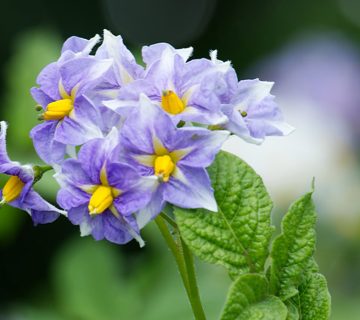
Summer brings heat, light and… problems. Extreme temperatures, above 30°C, can seriously affect tomato crops. One of the most common consequences of the heat wave is the sterilization of tomato flower pollen, which means that the plants bloom but do not set fruit. The result? Vigorous bushes, but without tomatoes. To avoid this scenario, a few simple but effective protective measures must be applied, directly from the experience of skilled gardeners.
Problem: temperatures above 30°C = sterile pollen
At temperatures consistently above 30–32°C, pollen becomes inactive and tomato flowers can no longer be fertilized. This phenomenon is exacerbated in enclosed spaces (sunrooms), but also in unprotected gardens.
1. Correct and constant watering
Tomatoes are drought tolerant, especially during flowering. The golden rule: water the plants when the soil has dried 2–3 cm deep.
- Use lukewarm water (not cold!), preferably early in the morning or in the evening.
- Avoid watering the leaves – this promotes the development of diseases.
- During hot weather, you can water even daily if the soil is sandy or dry.
2. Hand pollination
When insects are less active or pollen is compromised by heat, the gardener steps in:
- Gently shake the plant by the stem – the vibrations help the pollen fall onto the pistil.
- Or use a small, soft brush (e.g. watercolor) to touch the center of each flower, moving the pollen from one to the other.
- This process is done in the morning, before the temperature rises above 28°C.
3. Crop shading – protection against sunburn
On hot days, create partial shade:
- Use lightweight materials: shade net, gauze, tulle, white cloth.
- In the garden, plant corn or sunflowers as a natural hedge, on the edge of the beds.
- Avoid complete coverage: plants need light, but not direct midday sun.
4. Ventilation and phytosanitary hygiene
Stagnant air favors diseases such as downy mildew (phytophthora). Solution:
- Remove the leaves from the base, especially those that touch the ground.
- Thinning the leaves helps air circulation and reduces humidity inside the bush.
- In solariums or enclosed spaces, ensure ventilation by opening both ends.
5. Foliar fertilization
During the heatwave, the roots have a hard time absorbing nutrients. So:
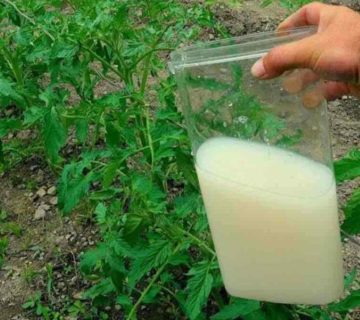
- Apply fertilizers by spraying them on the leaves, in the evening or in the morning.
- Recommended: calcium-based solutions to strengthen cell walls and prevent apical rot (black spots on the top of tomatoes).
- Other options: algae extracts, liquid humus, diluted compost teas.
Clear symptoms that show tomatoes are suffering from excessive heat
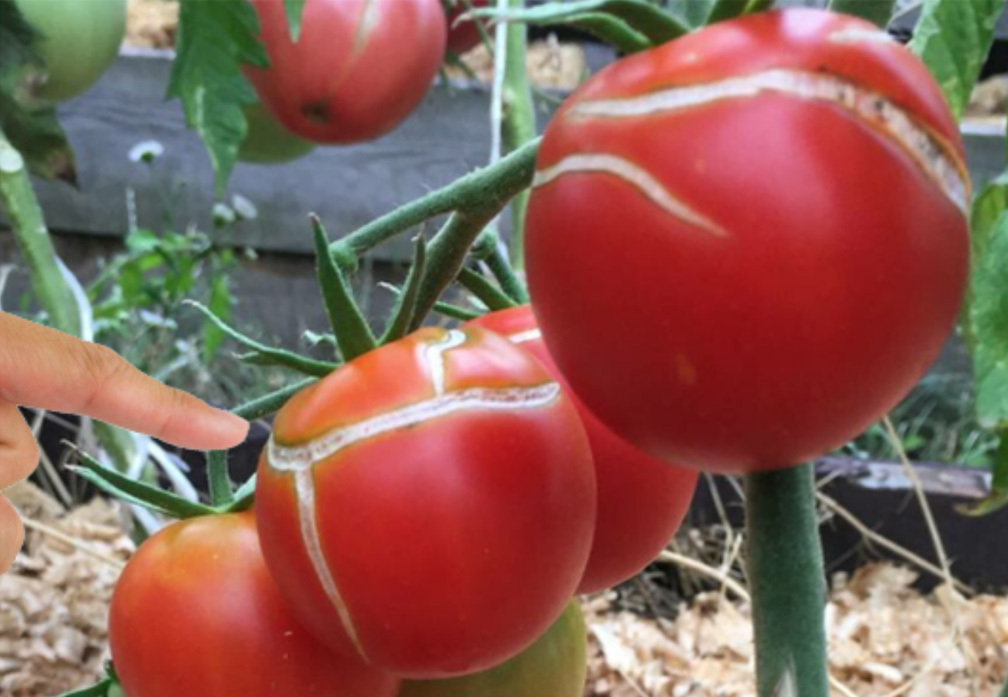
When temperatures exceed 30°C for several days in a row, tomatoes begin to show obvious signs of heat stress. Ignoring these signs can lead to the loss of flowers, deformed or even the absence of fruit. Here are the most common symptoms that indicate that tomatoes are suffering from heat stress:
1. The flowers are shaken before they set fruit
- It is the first major sign that the pollen has been sterilized by heat.
- The flowers look normal, but they fall en masse a few days after blooming.
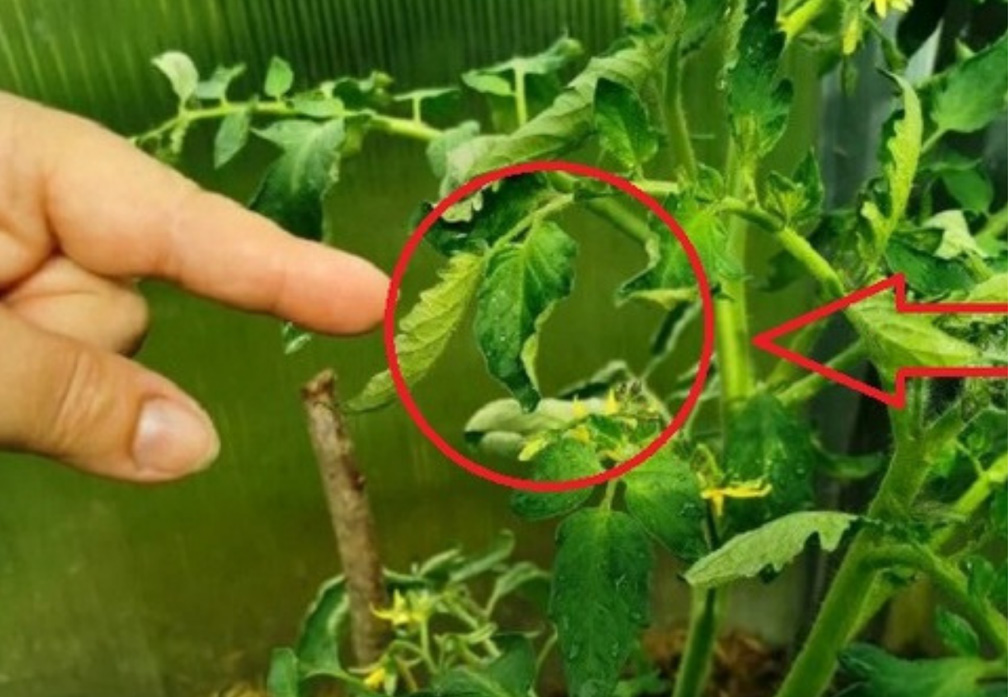
2. Leaves become soft, wilted or curl downward
- Although the soil is moist, the leaves look wilted.
- The tips of the leaves curl inward – a natural protective mechanism against excessive evaporation.
3. Fruit ripens too quickly and remains small or hard
- Heat forces ripening, but blocks the normal development of the pulp.
- The tomatoes are hard, sometimes have a bland taste and thick skin.
- Some fruits remain green at the top (ripening block).
4. Black spots appear at the top of tomatoes (apical rot)
- The lack of assimilable calcium (due to poor absorption at the root, in the heat) leads to this problem.
- The spots appear right at the top of the fruit, then expand and crack.
5. Plant growth stagnates
- The terminal shoots stop developing.
- The plant appears “frozen”, no longer producing new leaves or flowers.
6. Stems turn reddish or brown at the base
- It indicates prolonged physiological stress. It’s not a disease, but a reaction to heat combined with a lack of nutrients.
Conclusion:
If you notice:
- flowers that fall without tying,
- twisted or soft leaves,
- small and tasteless tomatoes,
- black spots on fruit,
Excessive heat can destroy a tomato crop in just a few days, but with simple and adapted measures, you can protect the plant, ensure pollination, and save the harvest.
Tomatoes love sun, but not drowsiness. And a vigilant gardener can give them exactly what they need to bear fruit, even under the scorching July sky.
Good luck in the garden,
Lucian


No comment