























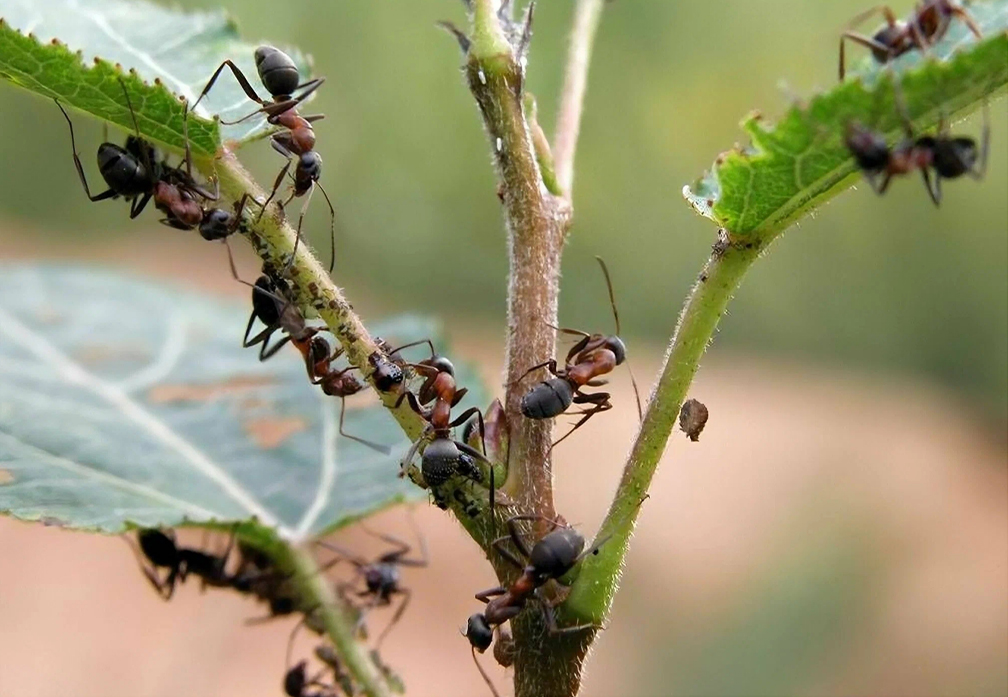
Natural, effective and safe methods for plants. Why they need to be kept under control
Ants, although seemingly harmless, can quickly become an annoying pest in the garden. Although they do not directly consume plants, they protect aphids (leaf lice), dig tunnels around roots and can even damage seeds or soil structure. The good news? There are natural, effective, affordable and completely non-toxic solutions that can be applied both in the vegetable garden and around flowers or trees.
Why ants need to be kept under control
Even though they also have an ecological role (aerating the soil, recycling organic matter), in excess, ants can become a real problem:
- They protect and move plant lice, which they “milk” for their sweet secretions (honeydew);
- They dig galleries around young roots, affecting the stability of the plant;
- They suffocate seedlings with their nests, especially in sandy soil;
- They can also penetrate the solarium, increasing the risk of plant contamination with aphids;
- They attack sweet fruits (strawberries, melons, plums) if they are cracked.
Why natural methods work
Ants rely on a complex system of communication through pheromones — chemical trails left on the ground or on plants. When these trails are altered, they lose their way and leave the area.
- Strong scents, such as those with acids or menthol, disrupt these communication pathways and act as natural repellents.
- Uncomfortable textures (ash, cinnamon, baking soda) physically prevent them from moving around or building nests.
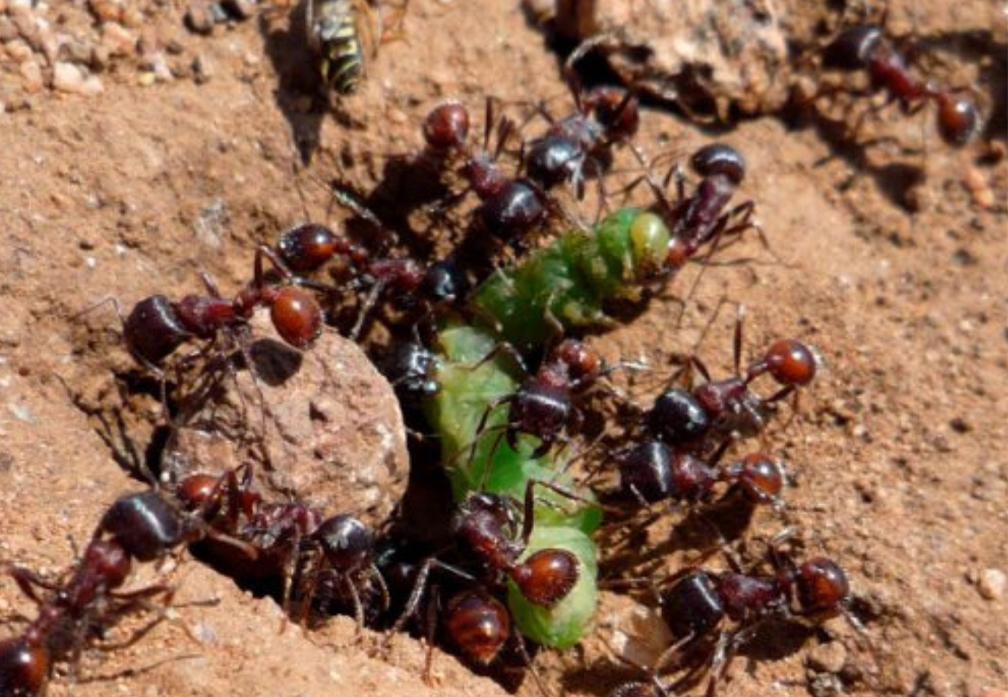
Effective natural methods for getting rid of ants
1. Vinegar and water solution (1:1)
– How come:
- Mix 1 part vinegar (9%) with 1 part water.
- Spray on paths, near plants, around roots or on bushes.
Vinegar destroys pheromone trails. Ants lose their bearings and leave the area.
– How often:
Every 5–7 days, early morning or evening.
Repeat after rain.
2. Lemon juice (unsweetened)
– How to use:
- Squeeze 1–2 lemons and spray areas frequented by ants.
In garden rows, around the edges of sunrooms, under pots, or on patios.
– Why it works:
Lemon juice is acidic and destroys the colony’s chemical signatures.
– Tip:
Do not pour on delicate leaves—it can cause burns.
3. Peppermint spray (Mentha piperita)
– Simple recipe:
- 10 drops of peppermint essential oil + 500 ml of water + 1 teaspoon of natural liquid soap.
Peppermint is extremely irritating to the olfactory system of ants.
– Where to apply:
Around plants, on walls, near windows, around seedlings.
Other natural anti-ant remedies
| Remedy | How to use | Main effect |
|---|---|---|
| Wood ash | Sprinkle around plants or on trails | Dries out ants and disturbs them |
| Cinnamon powder | Around nests or at the edge of layers | Intense repellent, persistent smell |
| Borax + sugar | Mix 1:1 and place in plastic caps | Attracts and eliminates the colony |
| Corn flour | Sprinkle on trails | Blocks ants’ digestion |
| Baking powder | Around the nest or at the base of plants | Changes pH and irritates the exoskeleton |
Borax is natural, but toxic if ingested by animals or children. Use it with caution and only in isolated areas.
Long-term solutions: which plants repel ants
Certain plants give off scents that repel ants. You can use them as aromatic hedges or in portable pots:
- Mint (Mentha)
- Basil (Ocimum basilicum)
- Lovage
- Marguerites (Tagetes)
- Wormwood (Artemisia absinthium)
- Lavender
These plants keep away not only ants, but also aphids, whiteflies, and moths.
When and how to apply natural treatments
| Situation | Recommended method | Frequency |
|---|---|---|
| Active invasion in the garden | Vinegar + water / lemon / mint | 1 time every 3 days |
| Prevention in the solarium / pots | Mint + cinnamon + ash | 1 time per week |
| After rain or intense irrigation | Reapplication of all solutions | Immediately after soil drying |
❗ What you should NOT do
- Don’t use systemic chemical insecticides in your edible garden without a good reason.
- Don’t pour hot water directly into the soil – it can also damage the roots of your plants.
- Don’t leave out sugary scraps, fermented compost or fallen fruit – they quickly attract entire colonies.
Nature offers us the safest weapons against ants
Ants can be effectively repelled with simple and natural means, without endangering the health of plants or soil. Vinegar, lemon, mint, cinnamon and aromatic herbs are reliable allies. By applying them regularly and alternating methods, your garden will become an unattractive place for these tenacious insects.


No comment