























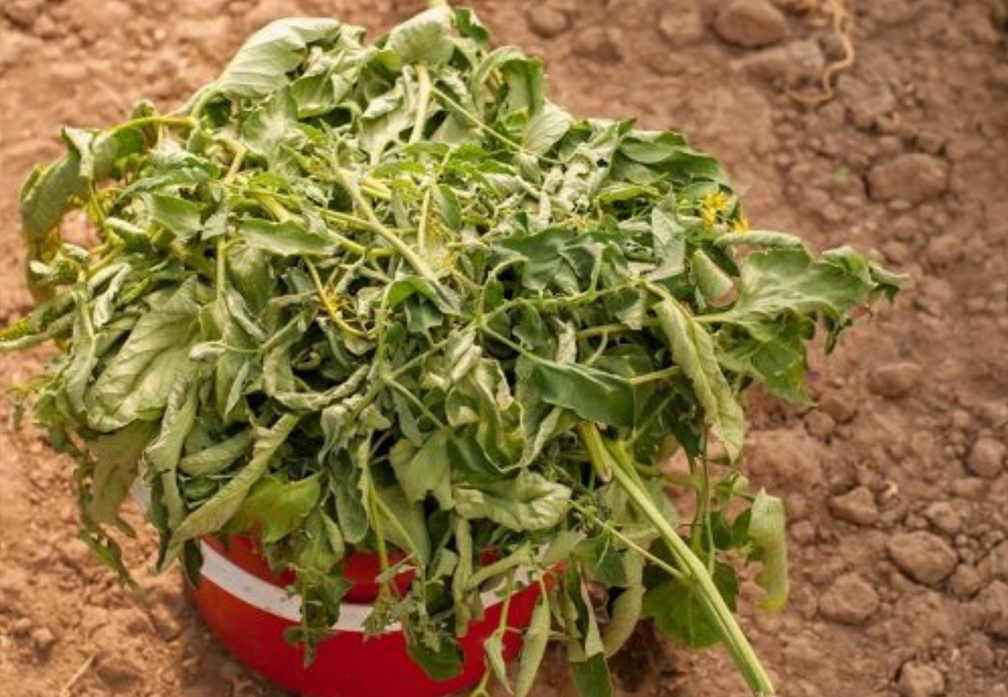
What can you do with tomato leaves after they’ve been harvested? Practical and beneficial uses for the garden and gardener.
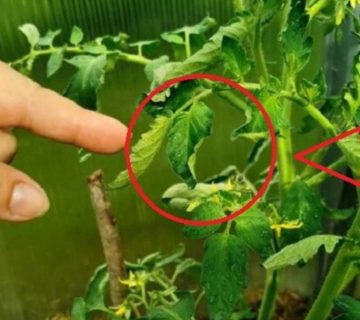
Anyone who has grown tomatoes knows that after harvesting and cleaning the bushes, there are piles of leaves and broken shoots left behind. Most of the time, these end up in the trash. But did you know that tomato leaves can become a valuable ally in the garden, both as fertilizer and as a natural pest control?
🍃 Natural insecticide: tomato leaves against pests
Tomato leaves and stems contain solanine, a substance toxic to many pests. A macerate or decoction of tomato leaves can be effective against:
aphids
- Colorado potato beetle
- Red spider mite
- Cruciferous flea
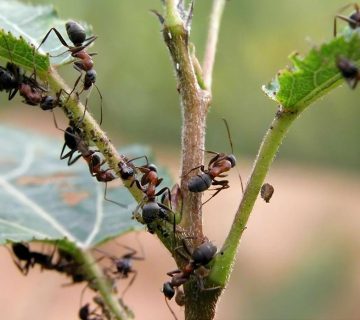
- Ants
- Defoliating caterpillars
- Carrot weevil
- Hair wasp
- Moth
- Weevil
How to prepare the solution:
Maceration:
1 kg of chopped fresh leaves + 10 liters of hot water Leave to infuse for 4–5 hours, then add 40 g of grated household soap (or 3 tablespoons of liquid soap).
Decoction:
4 kg of chopped leaves and stems + 10 liters of water Boil for 30 min on low heat, leave to cool, strain, dilute 1:4 with water and add soap.
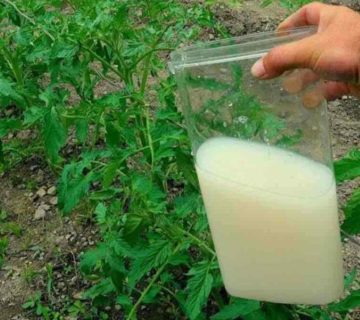
Application: Spray affected plants once a week, early in the morning or evening. Avoid treatments during flowering.
⚠️ Do not use diseased leaves for such solutions — you risk spreading diseases in the garden.
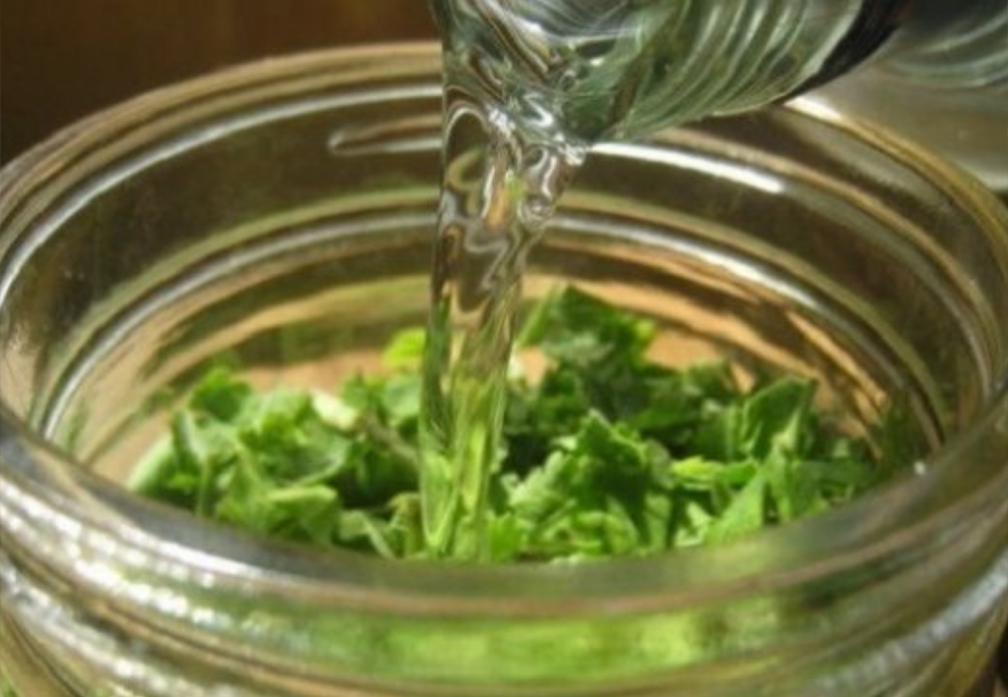
🌱 Natural fertilizer from tomato leaves
If you don’t need insecticide, you can turn tomato leaves into valuable organic fertilizer:
1. Incorporated into the soil
In the fall, the chopped leaves can be incorporated directly into the soil. In the spring, the area will be nutrient-rich, ideal for planting — even other tomatoes.
2. Liquid fertilizer (green tea)
Fill a bucket or barrel 2/3 full with green mass (including tomato leaves – min. 25%), add water to the top. Cover with perforated foil or fabric, leave to ferment for 7–10 days.
Usage:
1 liter of green tea is diluted in 10 liters of water and applied to the roots. It can also be sprayed on the leaves as additional protection against pests.
3. Dried and boiled leaves (winter reserves)
Dry the leaves in the shade and store them. For the decoction, use 1 kg of dried leaves per 10 liters of water, let it steep for 4 hours, then boil for 2 hours and dilute 1:4.
🔥 Burnt tomato leaves – valuable mineral fertilizer
Dried leaves can be burned, and the ash obtained is extremely rich in minerals (potassium, calcium, phosphorus). It can be used:
- when digging in autumn or spring
- added to planting holes
- diluted in water (100 g per 10 l of water)
♻️ Compost from tomato leaves? Yes, but with care
You can compost the leaves, but only if they are perfectly healthy. Otherwise, there is a risk of transmitting fungal diseases. Tomato leaf compost should be left for at least 1.5–3 years before use.
How to do it:
Layer the leaves in a pile or pit with layers of soil and sawdust. Water each layer with a solution of purple stone (2 tablespoons per 10 liters of water). Cover with dark foil and stir every 2 weeks. You can speed up the fermentation by adding manure, chicken manure or urea.
Other surprising uses
Against rodents: Chopped leaves placed at the base of young trees or shrubs (currants, gooseberries) can keep mice away.
As mulch: Spread between rows of vegetables, dried leaves inhibit weeds and retain moisture.
Against toilet odor: Like nettle, tomato leaves neutralize unpleasant odors and accelerate decomposition in garden toilets.
Tomato leaves are NOT to be thrown away! They can become a natural insecticide, fertilizer, compost, mulch, or even rodent and odor repellent. Take advantage of them wisely — nature provides you with everything you need for healthy soil, vigorous plants, and a thriving garden.


No comment