






















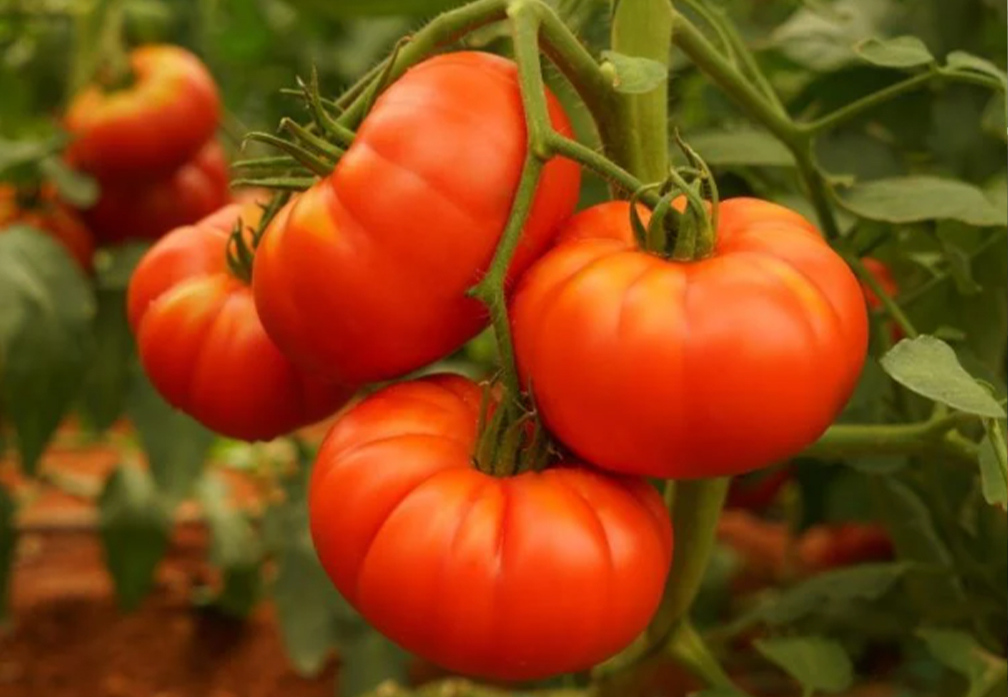
What to plant next to tomatoes to make them taste better. This is how they grow sweet and juicy
Companion planting
What is companion planting and why is it effective?
Strategically planting certain plants near tomatoes can significantly improve the flavor and quality of the fruit, a practice known as companion planting. This method not only enhances the taste of tomatoes, but also helps protect them from pests and diseases, creating a balanced ecosystem in the garden.
Companion planting involves growing complementary plants in close proximity so that they support each other in growth and protection. In the case of tomatoes, certain plants can:
- Improve the flavor and sweetness of fruits.
- Repel common pests, reducing the need for pesticide use.
- It attracts beneficial insects, which contribute to pollination and the natural control of pest populations.
- Improve soil structure and fertility, promoting healthy plant growth.
Recommended companion plants for tomatoes:
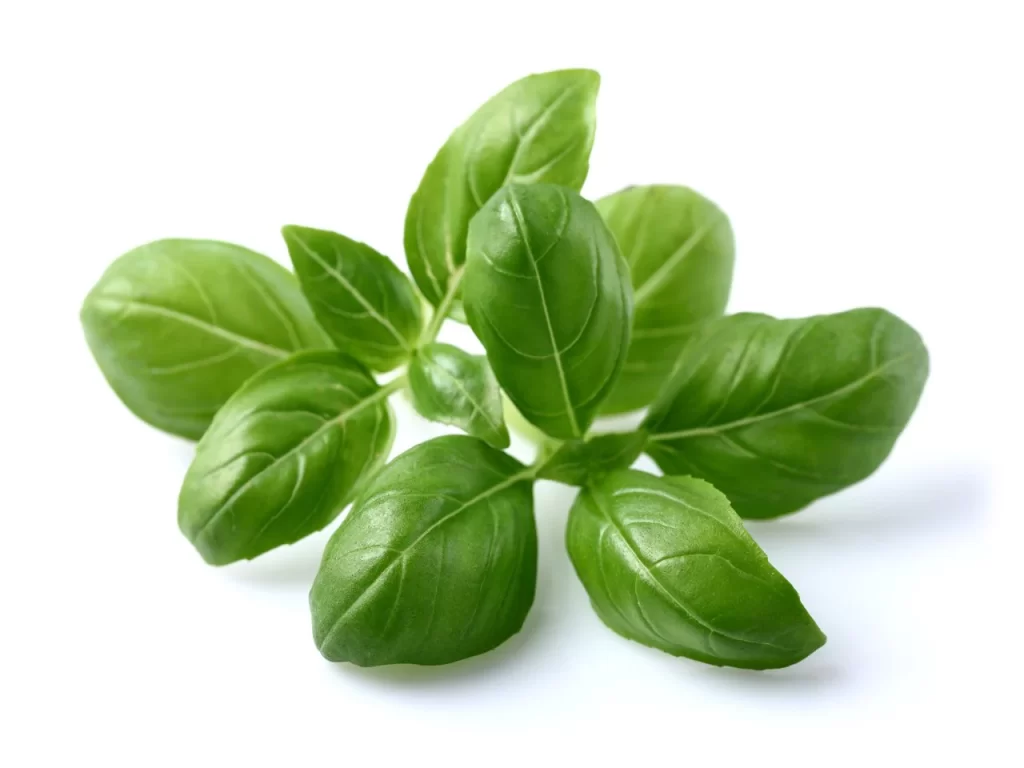
Basil: Considered one of the best companions for tomatoes, basil not only enhances the flavor and sweetness of the fruit, but also repels pests such as mosquitoes and flies. The essential oils released by basil contribute to the tomatoes’ natural protection against harmful insects. Planting basil near tomatoes can lead to tastier fruit and increased protection against pests.
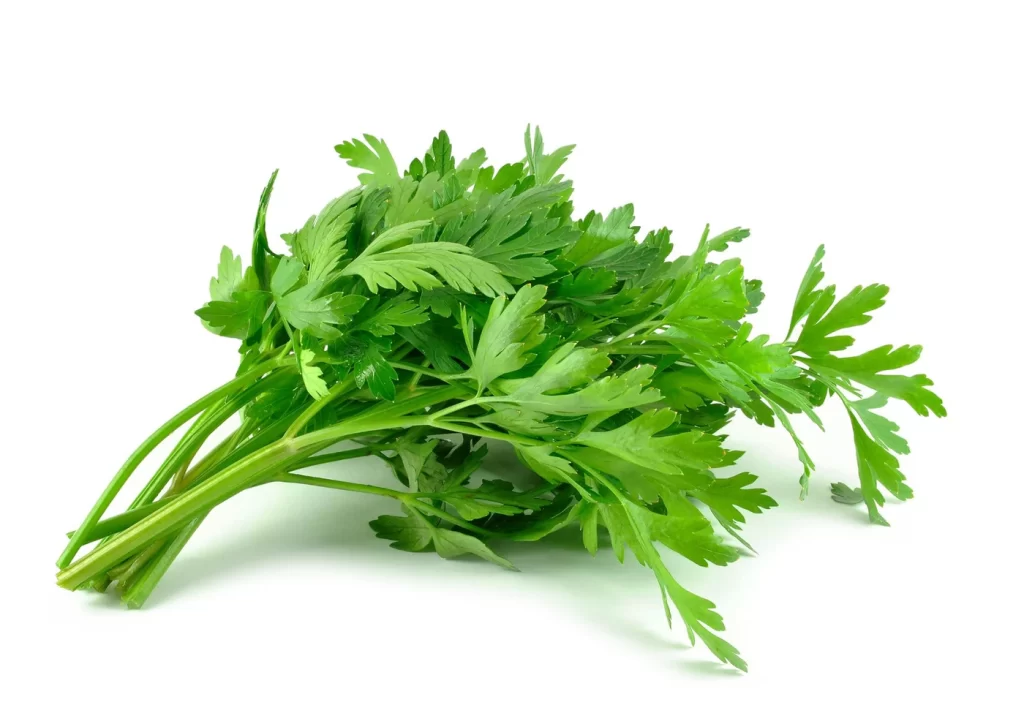
Parsley: Parsley attracts beneficial insects, such as hoverflies, which feed on aphids, thus protecting tomatoes from infestations. Parsley can also enhance the flavor of tomatoes and contribute to a balanced ecosystem in the garden.
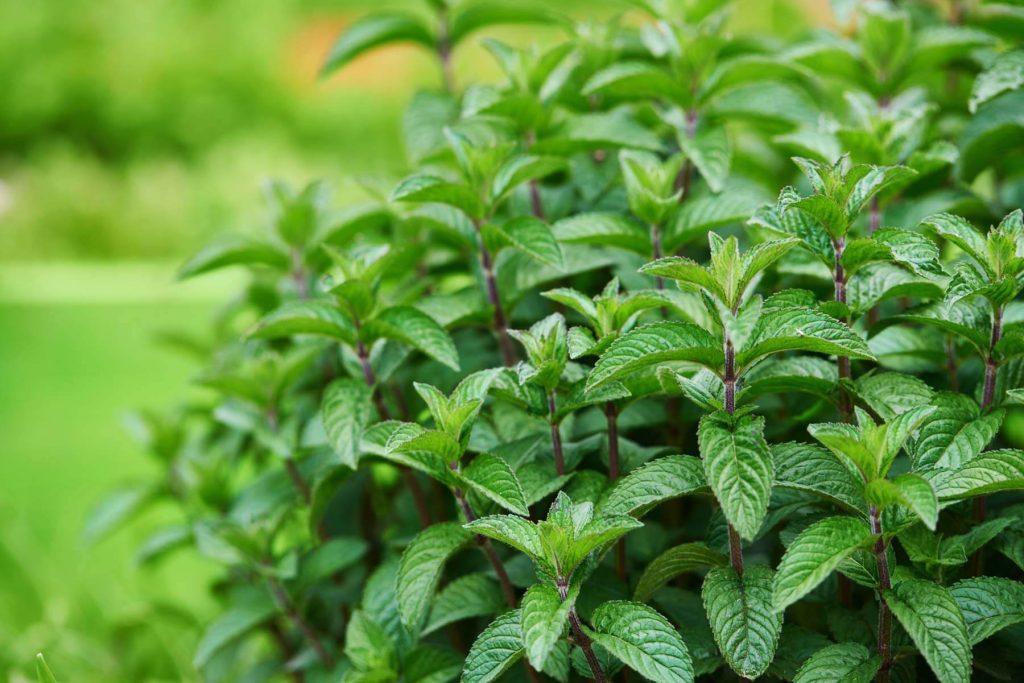
Mint: The strong aroma of mint repels aphids, flies, and other pests. However, mint tends to spread aggressively, so it is recommended to grow it in pots near tomatoes to control its spread.
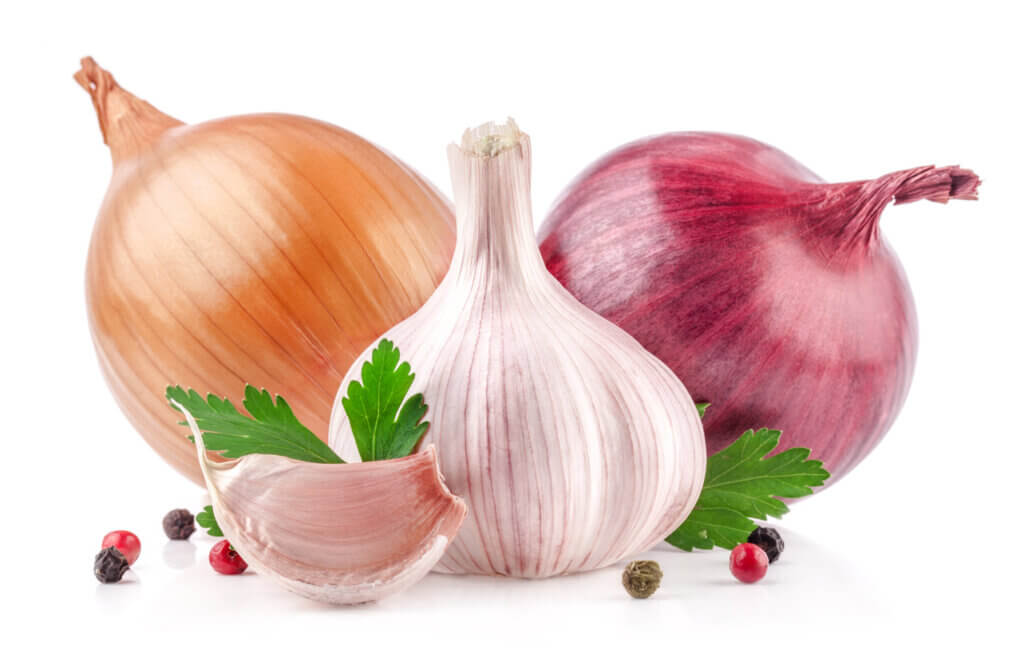
Onions and garlic: These plants emit sulfur compounds that deter aphids, mites, and other insect pests. Planting them near tomatoes can reduce the risk of infestation and contribute to the overall health of the crop.
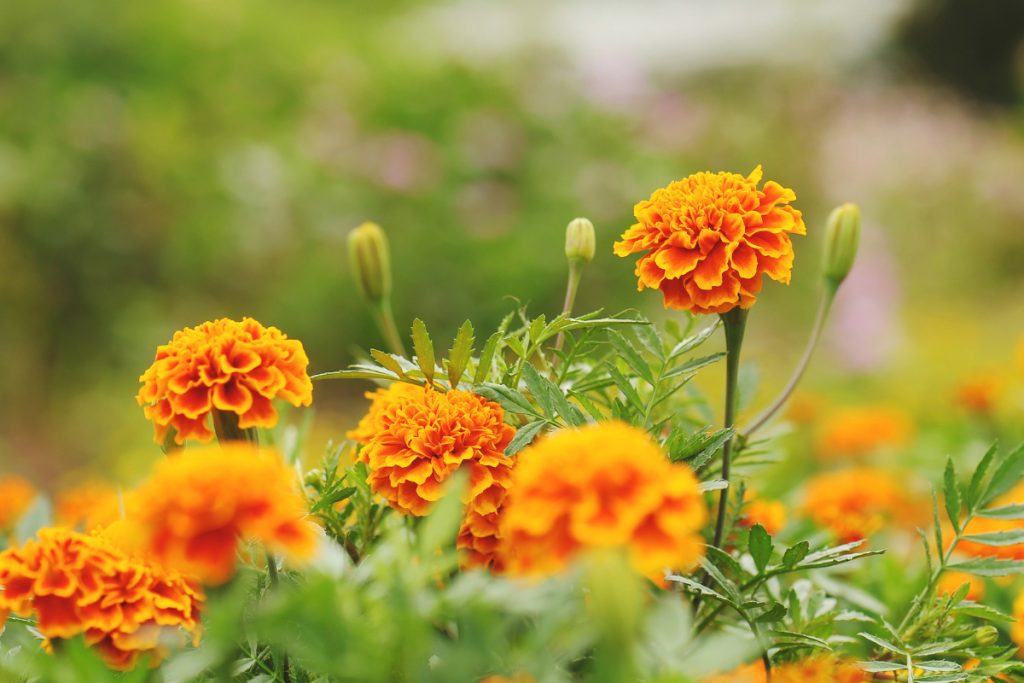
Marigolds (Calendula): These flowers attract beneficial insects, such as ladybugs and hoverflies, which control aphid populations. Marigold roots also secrete substances that can reduce the number of nematodes in the soil, thus protecting tomato roots.
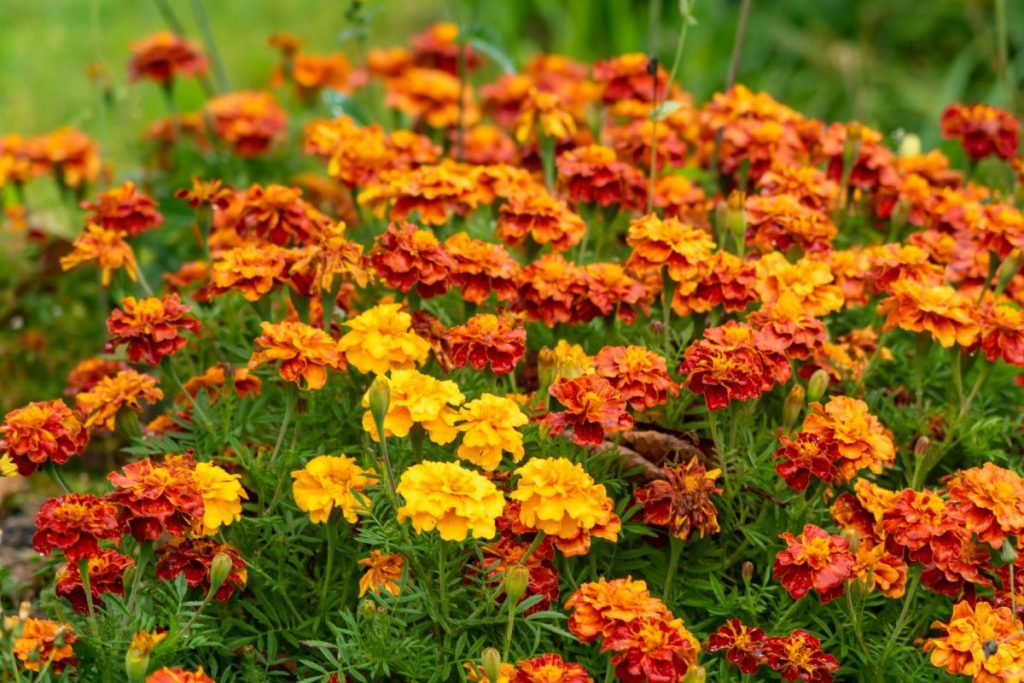
Marigolds (Tagetes): Similar to marigolds, marigolds emit chemicals that repel nematodes and other insect pests. Planting them near tomatoes can contribute to a healthier growing environment.
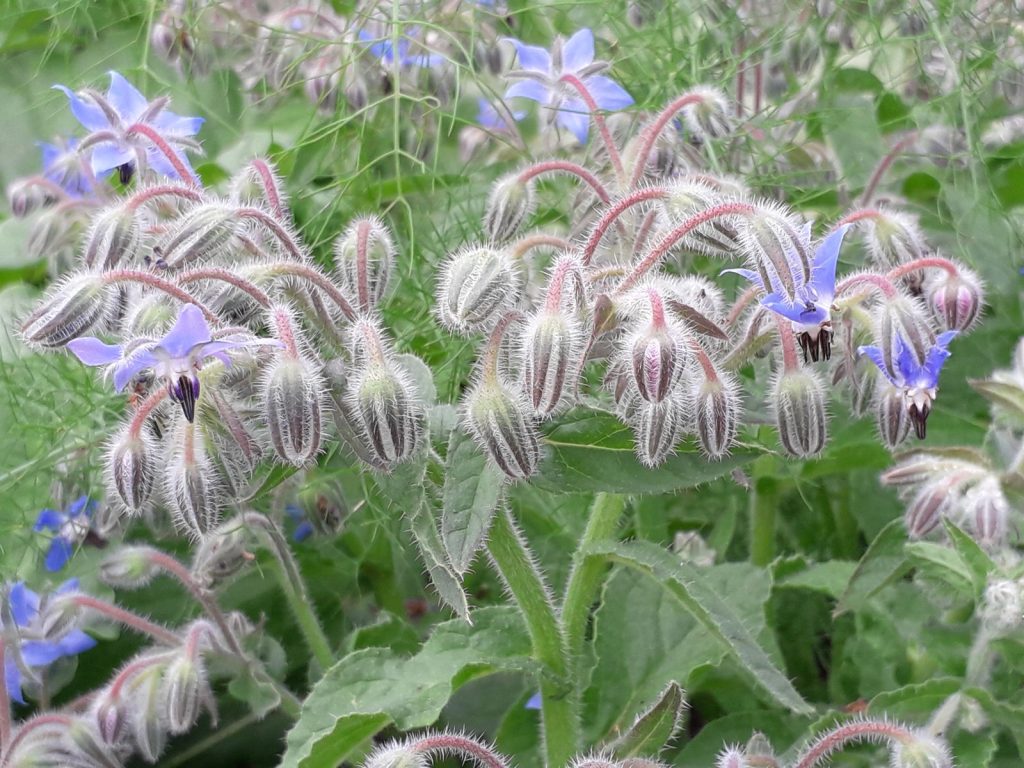
Borage (Borago officinalis): This herb is known for its ability to improve the growth and taste of tomatoes. It also attracts bees, promoting pollination, and may deter certain insect pests.
Practical tips for implementing companion planting:
- Plan the right spacing: Make sure plants have enough space to grow without competing for light, water, and nutrients. For example, plant basil 20-30 cm away from tomatoes.
- Control invasive plants: Plants like mint can become invasive. Grow them in containers or limit their spread to prevent choking out other crops.
- Monitor and maintain the crop: Periodically check the condition of the plants to detect signs of disease or infestations and act promptly to control them.
- Rotate crops: Change the location of plants in the garden annually to prevent the build-up of pathogens and soil depletion.
- Avoid unfavorable combinations: Some plants do not grow well together. For example, fennel and potatoes can inhibit the growth of tomatoes and should be planted separately.
By applying these companion planting practices, you will create a healthier gardening environment and get tomatoes with improved flavor, sweet and juicy.
Good luck in the garden,
Lucian






No comment